E46 Automatic to Manual Swap: A Comprehensive Guide
Embarking on an E46 automatic to manual transmission swap is a significant undertaking, demanding meticulous planning and execution for a rewarding driving experience․
This guide details the process, covering essential components, wiring, and coding considerations, ensuring a successful conversion for enthusiasts․
The BMW E46 chassis, renowned for its balanced handling, often sees enthusiasts desiring a more engaging driving experience than the automatic transmission provides․ Swapping from automatic to manual isn’t simply a gear change; it’s a comprehensive system overhaul․ This conversion involves replacing numerous components, from the transmission and clutch to the pedal assembly and wiring harness․
Modern dual-clutch automatics offer speed, but the classic manual provides a direct connection to the vehicle․ The E46 swap requires careful consideration of compatibility, as not all manual transmissions readily fit․ This guide aims to demystify the process, offering a detailed roadmap for those prepared to invest the time and effort․ Expect a substantial project, potentially costing upwards of 800 euros just for the steering wheel, plus additional expenses for airbag replacement and other necessary parts․
Why Swap? Benefits of Manual Transmission
The allure of a manual transmission lies in its enhanced driver engagement and control․ Unlike modern automatics, even sophisticated dual-clutch systems, a manual gearbox fosters a direct connection between driver and machine․ This translates to a more visceral and rewarding driving experience, particularly on winding roads or during spirited driving sessions․
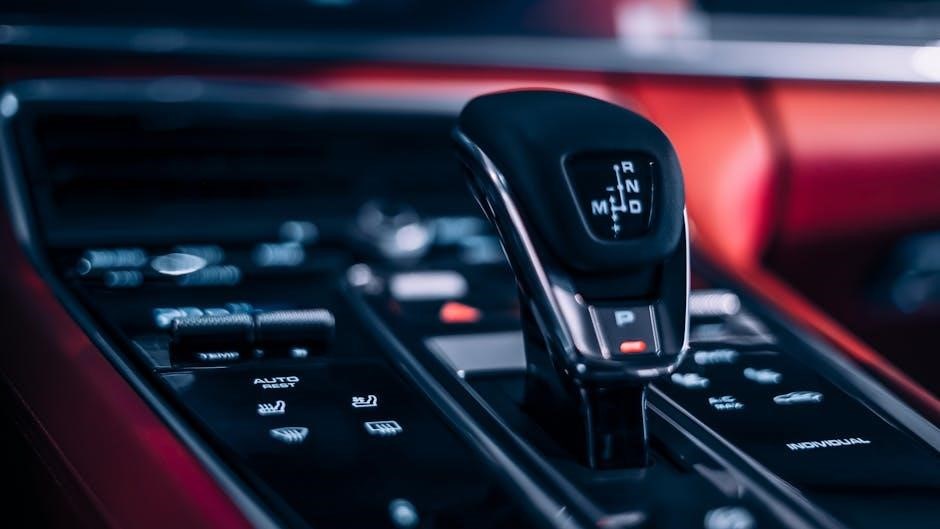
Beyond the feel, a manual swap often unlocks performance potential․ Eliminating the torque converter’s inherent losses can improve acceleration and fuel efficiency․ Furthermore, a manual transmission allows for complete control over gear selection, optimizing engine power for any situation․ While high-end sports cars now utilize advanced automatics, the purity and responsiveness of a well-executed manual swap remain highly desirable for E46 enthusiasts seeking a more connected and dynamic driving experience․
Initial Assessment & Vehicle Compatibility
Before diving into the swap, a thorough assessment of your E46 is crucial․ Confirm your vehicle’s existing automatic transmission model, as compatibility varies․ Generally, most E46 chassis (sedan, coupe, convertible) are suitable, but specific engine and drivetrain configurations may present unique challenges․
Inspect the condition of your existing wiring harness; modifications will be necessary․ Verify the availability of necessary components – transmission, clutch kit, flywheel, pedal assembly, and shifter linkage – and assess your mechanical skills․ Consider if you’ll tackle the swap independently or seek professional assistance․ Crucially, determine if your car originally came with a manual option, as this simplifies sourcing compatible parts and wiring diagrams․ Thorough preparation minimizes complications and ensures a smoother conversion process․
Parts List: Essential Components
A comprehensive parts list is fundamental for a successful E46 manual swap․ Beyond the obvious manual transmission and gearbox itself (expect around 800 euros for the wheel), you’ll require a complete clutch kit – disc, pressure plate, and throwout bearing – ensuring compatibility with your engine․ A flywheel, matched to the transmission and clutch, is also essential․
Don’t overlook the manual pedal assembly, shifter linkage, and a new steering wheel (potentially adding hundreds more for airbag replacement)․ You’ll need a hydraulic clutch line, driveshaft (potentially requiring shortening or replacement), and wiring harness components for modifications․ Finally, factor in fluids, hardware, and potentially an ECU coding tool for proper operation․ Sourcing quality parts upfront saves time and frustration later․
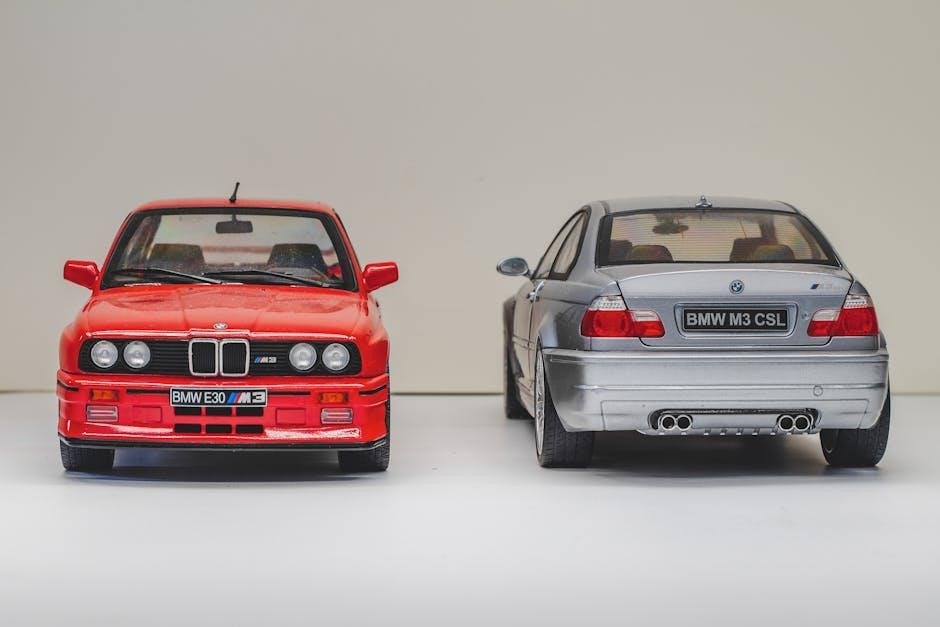
Transmission & Gearbox
Selecting the correct transmission and gearbox is paramount․ Consider your E46’s engine and desired driving experience․ Options range from used OEM BMW transmissions to aftermarket alternatives․ Gear ratios significantly impact performance; research which suits your needs – shorter ratios for acceleration, longer for highway cruising․
Ensure the transmission is compatible with your differential and driveshaft․ Inspect the gearbox thoroughly for wear and damage before purchase․ A rebuild might be necessary for older units․ The steering wheel itself can cost around 800 euros, so budget accordingly․ Verify the transmission’s input shaft spline count matches your engine․ Proper identification prevents costly mistakes and ensures a smooth swap․
Clutch Kit (Disc, Pressure Plate, Throwout Bearing)
A high-quality clutch kit is crucial for reliable power transfer․ The kit includes the disc, pressure plate, and throwout bearing – replace all components simultaneously for optimal performance and longevity․ Consider your engine’s torque output when selecting a clutch; higher torque demands a more robust clutch․
Options range from organic to ceramic clutches, each offering different characteristics․ Organic clutches provide smoother engagement, ideal for daily driving, while ceramic clutches offer superior grip for performance applications․ Ensure compatibility with your flywheel and transmission․ Inspect the flywheel surface for damage; resurfacing or replacement may be necessary․ Proper clutch installation prevents slippage and ensures a smooth driving experience․
Flywheel
The flywheel is a critical component in the manual swap, directly impacting clutch performance and engine balance․ When switching from automatic, you’ll need a flywheel designed for a manual transmission․ Flywheels come in various weights; lighter flywheels improve engine responsiveness but can make the car more difficult to drive smoothly at low speeds․
Dual-mass flywheels (DMFs) reduce vibrations but are more expensive and can fail over time․ Single-mass flywheels (SMFs) are more durable and cost-effective but transmit more vibration․ Ensure the flywheel is balanced to prevent vibrations and premature bearing wear․ Inspect the flywheel for cracks or heat damage before installation․ Proper torqueing of the flywheel bolts is essential to prevent loosening during operation․
Steering Wheel & Controls
Transitioning to a manual transmission necessitates evaluating the steering wheel and associated controls․ The original automatic steering wheel may lack features compatible with a manual setup, particularly concerning cruise control or multifunction buttons․ Replacing the steering wheel is often required to gain full functionality and a proper aesthetic․
Consider the cost, as a steering wheel itself can be around 800 euros, with additional expenses for airbag replacement․ A steering wheel controller is vital for maintaining functionality of features like audio controls․ Careful consideration must be given to compatibility and proper wiring to ensure all steering wheel functions operate correctly post-swap․ Thorough testing is crucial after installation․
Steering Wheel Replacement
Replacing the steering wheel is frequently a necessary step during an E46 automatic to manual swap, especially if the original wheel lacks compatibility with manual transmission controls or desired features․ The process involves careful disconnection of the airbag (following strict safety protocols!), removal of the existing wheel, and installation of the new one․
Ensure the replacement wheel is compatible with your E46’s airbag system and steering column․ Pay close attention to the steering wheel angle sensor, ensuring proper alignment for accurate vehicle stability control․ Budget for the wheel itself, potentially around 800 euros, and factor in the cost of airbag replacement if needed․ Proper torque specifications are critical during reinstallation to guarantee safety and functionality․
Steering Wheel Controller Considerations
When swapping to a manual transmission in your E46, the steering wheel controller becomes a crucial element, particularly if your new steering wheel doesn’t natively support the required functions․ Modern steering wheels often integrate controls for audio, cruise control, and other features, which need to be maintained or adapted․
Consider whether the existing controller is compatible with the new wheel or if a replacement is necessary․ Compatibility issues can arise, requiring coding or adaptation to ensure proper operation․ The controller manages communication between the steering wheel buttons and the vehicle’s systems․ Thorough research and potentially professional assistance are recommended to avoid functionality loss or error messages post-swap․ Budget accordingly, as controller costs can add significantly to the overall expense․
Pedal Assembly & Wiring
Transitioning from an automatic to a manual E46 necessitates a complete pedal assembly change, as the automatic lacks a clutch pedal․ Sourcing a complete manual pedal assembly – including the clutch, brake, and accelerator – is the first step․ Installation involves securely mounting the new assembly and ensuring proper mechanical function․
Wiring is equally critical․ The new assembly requires connections for the clutch switch, vital for starting the vehicle and potentially for traction control functionality․ Careful attention to wiring diagrams is essential to avoid shorts or incorrect connections․ Proper grounding is also paramount․ Incorrect wiring can lead to frustrating issues, so double-checking all connections before final assembly is highly recommended․ Consider professional assistance if you’re uncomfortable with automotive electrical work․
Center Console Modifications
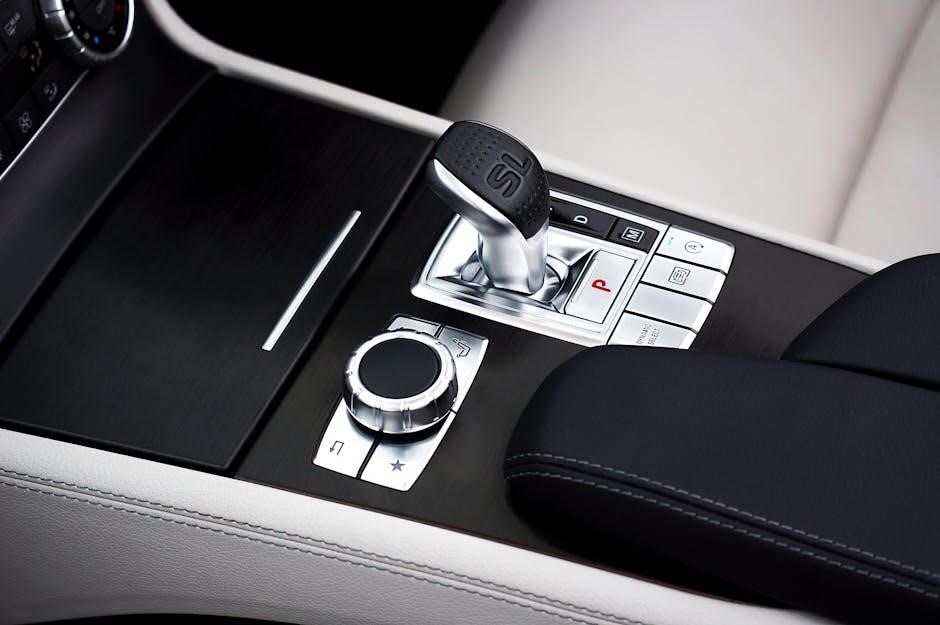
The E46’s center console differs significantly between automatic and manual transmission models, requiring modifications post-swap․ The automatic selector opening must be addressed, typically by installing a manual transmission-specific console piece or fabricating a custom solution․ This ensures a clean and finished appearance․
Beyond aesthetics, functionality is key․ The new console must accommodate the manual shifter linkage without interference․ Careful trimming or replacement of the console components may be necessary․ Consider the surrounding trim pieces; they may require adjustment or replacement to align correctly․ Paying attention to detail during this stage prevents rattles and ensures a professional-looking result․ Proper fitment is crucial for both the look and feel of the interior․
Driveshaft Considerations
The driveshaft is a critical component often requiring attention during an E46 automatic to manual swap․ Automatic and manual transmission E46 models utilize different length driveshafts․ Using the original automatic driveshaft will likely result in vibrations and potential damage to the transmission or differential․

Therefore, sourcing a driveshaft specifically designed for a manual transmission E46 is essential․ Alternatively, a custom driveshaft can be fabricated to the correct length․ Inspect the driveshaft’s U-joints and center support bearing (if equipped) for wear and replace them as needed․ Ensuring proper driveshaft length and condition is paramount for smooth operation and longevity․ Ignoring this step can lead to significant drivetrain issues down the road․
Wiring Harness Modifications
The E46 wiring harness requires modifications to accommodate the manual transmission swap, specifically addressing signals related to the automatic transmission․ The most crucial change involves deleting or repurposing wires connected to the automatic transmission selector and related sensors․
You’ll need to identify and either remove or properly terminate wires for the park/neutral position switch, torque converter lockup, and transmission range sensor․ Some harnesses may require splicing in wires for the clutch switch, which signals the ECU when the clutch is depressed․ Referencing wiring diagrams for both automatic and manual E46 models is vital․ Incorrect wiring can lead to various issues, including the inability to start the vehicle or incorrect ECU operation․
ECU Coding & Programming
Post-wiring modifications, the E46’s Engine Control Unit (ECU) demands coding to recognize the manual transmission, eliminating error messages and ensuring proper functionality․ This involves using BMW-specific diagnostic software, such as INPA or ISTA, to adjust parameters within the ECU․
Crucially, you must code out the automatic transmission module entirely․ Failure to do so will result in persistent drivetrain error codes․ Additionally, coding may be required to enable the clutch switch input and adjust engine parameters for optimal manual transmission operation․ Some ECUs may require a full reprogram, while others can be adjusted with module coding․ Proper coding is essential for a smooth and reliable swap, preventing driveability issues and ensuring all systems function correctly․
Hydraulic Clutch Line Installation
Installing the hydraulic clutch line is a critical step, requiring careful attention to detail to prevent leaks and ensure proper clutch engagement․ Route the line from the clutch slave cylinder, typically mounted on the transmission, to the master cylinder located within the engine bay․
Secure the line using the existing clips and brackets, avoiding any sharp bends or kinks that could compromise its integrity․ Bleeding the system immediately after installation is paramount to remove air bubbles, which can lead to a spongy pedal feel and clutch disengagement issues․ Ensure all connections are tightened to the manufacturer’s specifications․ A properly installed and bled hydraulic clutch line guarantees smooth and reliable clutch operation, enhancing the driving experience․
Shifter Linkage & Installation
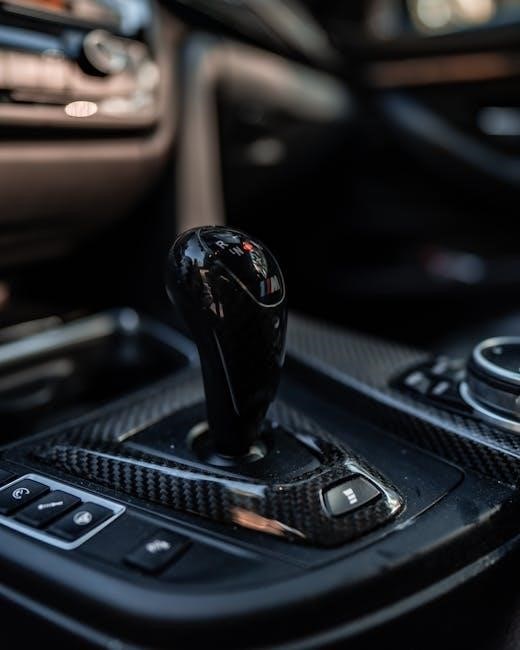
Proper shifter linkage installation is crucial for precise gear selection, directly impacting the driving enjoyment of your E46․ Begin by mounting the shifter assembly to the transmission tunnel, ensuring it’s securely fastened and aligned correctly․ Connect the shift linkage rods, paying close attention to the orientation and engagement points․

Adjust the linkage to achieve smooth, defined shifts across all gears, eliminating any looseness or binding․ Incorrect adjustment can result in difficulty finding gears or even damage to the transmission․ Test the shifter’s operation thoroughly before completing the installation; A well-installed shifter linkage provides a tactile and responsive shifting experience, enhancing control and confidence behind the wheel․
Exhaust System Adjustments
Following the E46 automatic to manual swap, exhaust system adjustments are often necessary due to changes in drivetrain configuration․ The original automatic exhaust may not align correctly with the manual transmission, requiring modifications or a complete replacement․ Inspect the exhaust routing for any interference with the new components, particularly the driveshaft and transmission․
You may need to adjust existing exhaust hangers or weld in new ones to ensure proper clearance and prevent rattling․ Consider upgrading to an aftermarket exhaust system designed for manual transmission E46 models for optimal fitment and performance․ Ensure all exhaust connections are secure and leak-free to maintain exhaust gas containment and prevent unwanted noise․
Bleeding the Clutch System
After installing the hydraulic clutch line during the E46 automatic to manual swap, thoroughly bleeding the system is crucial for proper clutch operation․ Air trapped within the lines will result in a spongy pedal feel and difficulty engaging or disengaging the clutch․ Begin by ensuring the clutch master cylinder reservoir is filled with the correct DOT fluid․
Utilize a two-person bleeding process, with one person operating the clutch pedal and the other opening and closing the bleeder screw on the slave cylinder․ Repeat this process until bubble-free fluid emerges․ Alternatively, a pressure bleeder can simplify the task․ Confirm a firm pedal feel before test driving, as incomplete bleeding can damage the system․
Post-Swap Checks & Troubleshooting
Following the E46 automatic to manual swap, a comprehensive post-installation check is vital․ Verify all connections – electrical and mechanical – are secure․ Start the engine and carefully listen for any unusual noises emanating from the transmission or drivetrain․ Test the clutch engagement and disengagement across all gears, ensuring smooth transitions․
Common issues include a spongy clutch pedal (requiring re-bleeding), difficulty shifting (potentially linked to shifter linkage adjustment), or error codes related to the transmission or clutch systems․ Diagnostic tools can help pinpoint electrical faults․ If encountering problems, revisit wiring diagrams and double-check ECU coding․ A thorough inspection prevents further damage․
Cost Breakdown: Estimated Expenses
An E46 automatic to manual swap’s cost varies significantly based on parts sourcing and labor․ Expect to spend approximately €800 or more on the steering wheel alone, with airbag replacement adding substantial costs․ A complete transmission can range from €500 to €1500, depending on condition and mileage․
A new clutch kit (disc, pressure plate, throwout bearing) typically costs between €200 and €500․ Factor in expenses for the flywheel (€150-€400), pedal assembly (€100-€300), shifter linkage (€50-€150), and hydraulic clutch line (€100-€200)․ Labor, if outsourced, can easily add €800 to €2000․ ECU coding may incur a separate fee․ Budgeting €2000-€4000 is realistic for a complete, professionally done swap․
Potential Challenges & Solutions
E46 automatic to manual swaps present several hurdles․ Wiring harness modifications can be complex, requiring careful tracing and adaptation, potentially needing professional assistance․ Sourcing compatible parts, especially for specific E46 models, can prove difficult, demanding patience and research․
ECU coding is crucial; incorrect coding can lead to driveability issues or warning lights․ Clutch bleeding can be stubborn, requiring multiple attempts or a pressure bleeder․ Ensuring proper driveshaft length is vital to avoid vibrations or damage․ Thoroughly review wiring diagrams (like those for E30 S54 swaps) and consult online forums for solutions․ Careful planning and a methodical approach are key to overcoming these challenges․
Resources & Further Information
Numerous online resources support the E46 automatic to manual swap․ BMW enthusiast forums, like those dedicated to E46 modifications, offer invaluable advice, troubleshooting tips, and shared experiences from those who’ve completed the conversion․ Websites specializing in BMW parts often provide detailed guides and component lists․
Workshop manuals, such as those available for Honda Civics (demonstrating detailed repair procedures), can offer insights into general automotive principles applicable to the swap․ Exploring documentation related to similar engine swaps, like the E30 S54 into E46, can provide wiring and adaptation strategies․ Remember to consult reliable sources and cross-reference information for accuracy, ensuring a smooth and successful project․