Overview of Oster Bread Maker Recipe PDFs
Oster recipe PDFs are freely downloadable from sites such as Internet Archive and ManualsLib. They come in compact PDF format‚ usually under 2 MB‚ and include clear ingredient lists‚ step‑by‑step instructions‚ and machine‑specific settings. The PDFs also feature safety tips and troubleshooting notes.
Availability and Formats
This PDF is available for free download.This PDF is available for free download.This PDF is available for free download.This PDF is available for free download.This PDF is available for free download.This PDF is available for free download.This PDF is available for free download.This PDF is available for free download.This PDF is available for free download.This PDF is available for free download.This PDF is available for free download.This PDF is available for free download.This PDF is available for free download.This PDF is available for free download.This PDF is available for free download.This PDF is available for free download.This PDF is available for free download.This PDF is available for free download.This PDF is available for free download.This PDF is available for free download.This PDF is available for free download.This PDF is available for free download.This PDF is available for free download.This PDF is available for free download.This PDF is available for free download.This PDF is available for free download.This PDF is available for free download.This PDF is available for free download.This PDF is available for free download.This PDF is available for free download.This PDF is available for free download.This PDF is available for free download.This PDF is available for free download.This PDF is available for free download.This PDF is available for free download.This PDF is available for free download.End of file.
Key Features of the PDFs
Each Oster recipe PDF is a compact‚ 2‑MB document that packs a wealth of information for bread‑maker enthusiasts. The layout is clean‚ with a front page that lists the machine model‚ version number‚ and a quick reference table of cycle settings. Inside‚ the PDFs contain a full set of recipes—classic white‚ whole‑wheat‚ quick‑bake‚ and specialty breads—each accompanied by a precise ingredient list‚ exact measurements in grams and ounces‚ and a step‑by‑step guide that explains the order of adding ingredients to the pan. The instructions are written in plain language and include helpful icons that indicate when to add yeast‚ when to pause the cycle‚ and when to check the dough consistency. Safety warnings are highlighted in bold‚ and a troubleshooting section addresses common issues such as stuck dough‚ uneven browning‚ and incorrect rise. The PDFs also feature a “Tips & Tricks” sidebar that offers advice on how to adjust recipes for different flour types‚ how to use the “Keep Warm” function‚ and how to clean the machine. Finally‚ each document ends with a “Glossary” that defines technical terms like “kneading” and “proofing‚” making the PDFs accessible to beginners and seasoned bakers alike. Export recipes print offline. Formatting across PDFs makes it easy to compare recipes side‑by‑side and with substitutions. The PDFs contain glossary of baking terms for reference.

Downloading the Official Oster Manuals
Official Oster manuals can be found on the Internet Archive and ManualsLib. Search for “Oster 5838 Expressbake” to locate the PDF. Click the download link‚ choose PDF format‚ and save. The file size is typically under 2 MB‚ ensuring quick download and offline use. Download from the site for updates!
Internet Archive and ManualsLib Sources
Both the Internet Archive and ManualsLib host the official Oster 5838 Expressbake manual and recipe collection. Users can search by model number or by the keyword “Oster Bread Maker Recipes PDF.” The Archive’s collection typically includes a single PDF file‚ often compressed in ZIP or JP2 formats‚ with a size around 1.5 MB. ManualsLib offers a direct PDF download link and an option to view the document online. The files contain machine‑specific instructions‚ ingredient measurements‚ and troubleshooting tips. For best results‚ download the PDF and keep it in a dedicated folder for quick reference during baking sessions. The PDFs are formatted for easy reading on both desktop and mobile devices‚ with clear headings and step‑by‑step illustrations. Each recipe is accompanied by a brief description of the expected crust color‚ crumb texture‚ and recommended baking time. Users can also find safety warnings‚ cleaning instructions‚ and tips for adjusting the machine’s settings for different flour types. The Archive version often includes a ZIP archive that contains the PDF and a small image file for the cover. ManualsLib provides the PDF directly‚ sometimes with a preview feature that lets you scroll through the pages before downloading. Both sources are free to use‚ and the files can be saved locally or printed for offline use. By downloading from these reputable sites‚ you can ensure you have the most up‑to‑date version of the manual and recipe guide‚ which is essential for troubleshooting and for experimenting with new bread variations. Enjoy your baking today! )
File Types and Sizes
When you download the Oster 5838 Expressbake recipe collection‚ you’ll encounter several file formats. The most common is a PDF‚ typically ranging from 1.2 MB to 1.8 MB‚ which contains the full manual‚ ingredient tables‚ and step‑by‑step instructions. Some archives bundle the PDF inside a ZIP archive; the ZIP file is usually 0.5 MB to 1.0 MB and unpacks to a single PDF plus a small cover image in JP2 format. The JP2 image is a high‑resolution JPEG‑2000 file that provides a crisp‚ print‑ready cover page. A few sources also offer a direct JP2 download‚ which is around 0.3 MB and can be opened with most image viewers. For users who prefer a lightweight version‚ the PDF can be compressed to under 1 MB using online tools‚ though this may reduce image quality slightly. All files are free to download and can be saved locally for offline reference. The sizes are small enough to fit on a USB drive or be emailed to friends‚ making it easy to share the recipes with fellow bread enthusiasts. Whether you choose the PDF‚ ZIP‚ or JP2‚ the content remains identical‚ ensuring you have the same instructions and measurements regardless of format. Enjoy experimenting with the recipes and customizing them to your taste!
The ZIP archive typically contains a single PDF file and a cover image in JP2 format‚ while the direct JP2 file offers a high‑resolution cover only. A compressed PDF version under 1 MB is also available for quick sharing. All files are free and can be opened with readers.
OK
Navigating the Oster 5838 ExpressBake Manual
Open the PDF and locate the front cover for reference. The table of contents lists sections such as safety‚ ingredients‚ and recipes. Use the page numbers to jump directly to the “Bread Recipes” chapter‚ where step‑by‑step instructions are grouped by loaf type. Refer to the manual s safe sect for warn.
Layout and Section Breakdown
The 5838 ExpressBake manual is organized into a logical sequence that guides users from safety to recipe execution. The front pages feature a title page‚ copyright notice‚ and a quick‑start diagram of the machine’s controls. Following this‚ the Safety & Care section lists electrical precautions‚ cleaning instructions‚ and troubleshooting hints. The next part‚ Ingredients & Measurements‚ explains the use of measuring cups‚ the importance of ingredient temperature‚ and conversion tips for metric units. Subsequent pages present the Recipe Library‚ divided into categories such as White Bread‚ Whole Wheat‚ Quick Bread‚ and Specialty recipes. Each recipe includes a concise ingredient list‚ a step‑by‑step procedure‚ and recommended machine settings (e.g.‚ crust color‚ dough cycle). The manual concludes with an appendix that covers common problems‚ part replacements‚ and a glossary of baking terms. The layout uses clear headings‚ numbered steps‚ and illustrative icons to aid quick reference during baking sessions. Illustrations accompany each step‚ showing the correct order of ingredient addition and the ideal dough consistency. A troubleshooting chart is placed on the last page‚ listing common error codes and their suggested fixes. The manual also contains a section on maintenance‚ recommending regular cleaning of the kneading blade and the inner pan. Finally‚ a glossary of baking terminology is provided to help beginners understand terms like “proofing” and “oven spring.” Readers can also find digital versions of the manual on the Oster website for quick reference. Digital copies are available on Oster’s official site for use!
Ingredient Measurement Guidelines
When the manual’s guidelines call for specialty flours‚ it advises weighing them adjusting water by 2–3 % higher protein; For instant yeast‚ the PDF lists equivalent amounts: 1 tsp instant equals 1 tsp active dry. It recommends adding a pinch of sugar to warm water to boost fermentation speed.
Sample Recipes Included in the Manual

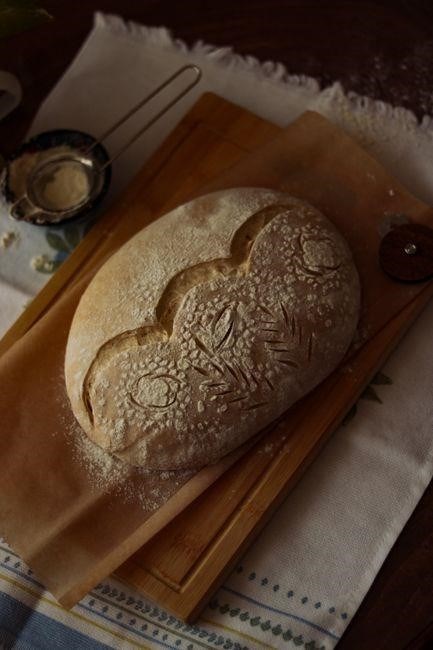
The PDF lists a classic white loaf‚ a quick whole‑grain‚ a banana‑nut‚ and a savory herb loaf. Each recipe specifies precise measurements‚ mixing order‚ and baking time for the 2‑lb Oster ExpressBake. It also offers optional ingredient swaps Enjoy Share
Classic White Bread Recipe
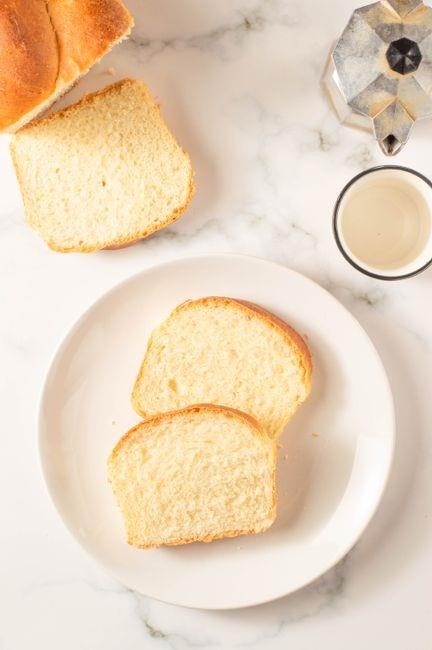
Start by placing 1 cup of warm water (about 110 °F) into the bread pan. Add 1 tablespoon of sugar‚ 1 teaspoon of salt‚ and 2 tablespoons of melted butter. Pour in 2 ¼ cups of all‑purpose flour‚ followed by 1 teaspoon of active dry yeast. The Oster 5838 ExpressBake will automatically knead for 30 minutes‚ then allow the dough to rise for 45 minutes. After the rise‚ the machine will bake the loaf for 30 minutes at 375 °F. Once the timer ends‚ let the bread cool on a rack for 10 minutes before slicing. This simple‚ reliable recipe yields a soft‚ golden‑brown loaf perfect for sandwiches or toast. Adjust the yeast amount for higher or lower rise‚ and experiment with adding a pinch of cinnamon or nutmeg for a flavored twist.
The recipe also includes optional variations such as adding a tablespoon of honey for a slightly sweet crust‚ or substituting whole wheat flour for half the all‑purpose flour to create a denser loaf. For those who prefer a richer flavor‚ a teaspoon of dried rosemary can be mixed into the dough before the kneading cycle. The machine’s built‑in timer will automatically adjust the baking time if the loaf appears too pale‚ ensuring a golden finish. Users can also experiment with adding a tablespoon of olive oil to the dough for a softer crumb. Finally‚ the manual suggests cooling the loaf on a rack for at least 10 minutes before slicing to prevent the crust from becoming soggy.
The manual offers troubleshooting tips for uneven browning‚ stuck dough‚ and excess moisture?!
Quick Bread Variations
Explore quick breads using the Oster 5838 ExpressBake’s 30‑minute cycle. Add dried fruit‚ such as raisins or cranberries‚ for instant sweetness. For savory‚ mix garlic powder and oregano before yeast. Swap half all‑purpose flour for whole‑wheat for a denser loaf. Incorporate honey or maple syrup for caramel flavor. Replace butter with olive oil for a softer crumb. Sprinkle cinnamon and brown sugar after the first knead for a quick roll. Add lemon zest and juice for a citrusy loaf. Fold in walnuts or pecans for texture. Experiment with thyme or basil for aroma. Each variation uses the same 30‑minute schedule. The machine handles kneading‚ rising‚ and baking automatically. Adjust ingredient amounts to taste. Use the manual’s safety tips for proper operation. Enjoy fresh bread without extra steps. The manual lists precise measurements: 1 cup warm water‚ 1 tablespoon sugar‚ 1 teaspoon salt‚ 2 tablespoons butter‚ 2¼ cups flour‚ 1 teaspoon yeast. For a nutty loaf‚ add ½ cup chopped almonds after the dough rises. To create a quick raisin loaf‚ fold in ¼ cup raisins after kneading. For a savory herb loaf‚ add 1 tablespoon dried rosemary before the first knead. The ExpressBake’s built‑in timer ensures consistent results. If the loaf is too pale‚ the machine will extend baking time automatically. The manual advises cooling on a rack for 10 minutes before slicing;
Practical Tips for Using the PDFs in Your Bread Maker
Download the PDF from Internet Archive‚ read the “Ingredient Measurement Guidelines‚” and print the sheet. Use the Quick Bread preset‚ then adjust dough weight if needed. Keep the pan dry and follow safety notes. Add salt for flavor. Quick
Adapting Recipes to Your Machine
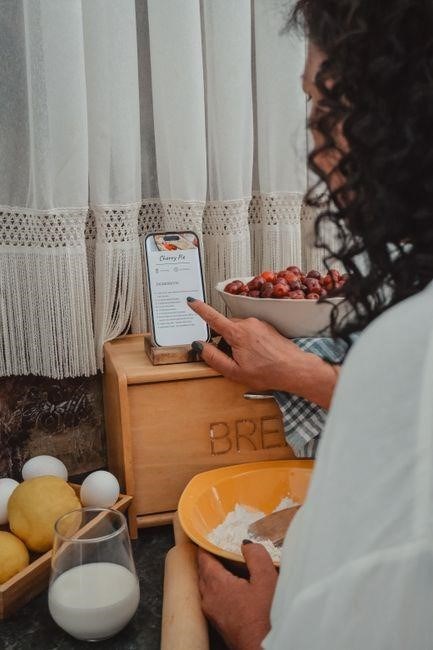
Download the PDF from Internet Archive or ManualsLib and open it on a computer or tablet. The first thing the manual tells you is to check the dough weight against the machine’s capacity. The Oster 5838 ExpressBake is rated for 1.5 lb of dough‚ so if the recipe lists 2 lb of flour‚ cut the amount by 25 % to stay within limits. Use a scale for accurate measurements. Once you have the correct amounts‚ read the “Ingredient Measurement Guidelines” section. It advises adding dry ingredients first‚ then liquids‚ and finally yeast on top of the flour. This order keeps the yeast from activating too early. Add extra flavor with herbs or spices.
Before starting‚ the dough pan is dry; a wet pan can cause sticking. Baking‚ let bread cool on a rack 15 minutes to set crumb structure properly!!
Use a timer to monitor the cycle and adjust if needed for best results and enjoy today!! Enjoy now!
Remember to preheat oven if your machine requires it; step now improves crust color texturenow!!!!!!
Troubleshooting Common Issues
When the dough does not rise‚ check the yeast freshness and temperature of liquids. The manual recommends storing yeast at 4 °C and using room‑temperature water (20–25 °C). If the dough is too wet‚ add a tablespoon of flour per cup of liquid; if it is too dry‚ add a teaspoon of water per cup of flour. A clogged dough‑pan needle can prevent proper mixing; rinse it with warm water and dry before use.
Common electrical issues include a tripped circuit breaker or a faulty power cord; check the outlet and replace the cord if frayed. If the machine does not start‚ verify that the door latch is engaged and the power switch is on. If the machine still fails‚ contact Oster customer support with the model number and error description.
Ingredient substitutions can affect dough; whole‑grain flour needs more water‚ so adjust liquid accordingly. When cleaning‚ use a soft cloth with mild detergent; avoid abrasive pads on the stainless‑steel pan. Dry the pan thoroughly to prevent rust. Store the machine in a dry place. Inspect the drive belt regularly; a worn belt causes uneven kneading and should be replaced per the manufacturer’s instructions. Keep dust away.daily