Overview of Typewriter Manuals
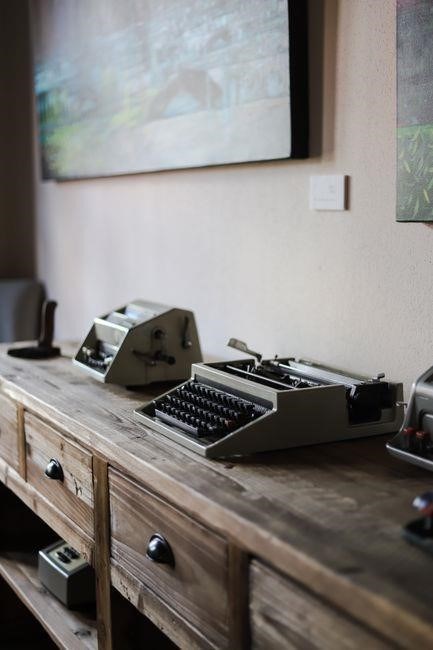
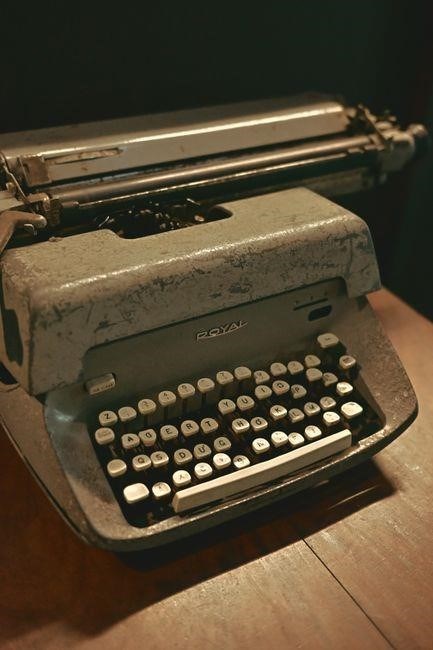
These guides, often PDF, list models like Olympia, Imperial, Royal, Hermes, Silver Reed, Adler, Splendid, Corona, and more. They detail operation, maintenance, and troubleshooting, offering a practical reference for typists and collectors alike. They also include diagrams and safety warnings, safe use!!.
Historical Significance of User Guides
Typewriter manuals were the first printed user instructions that democratized office technology. In the late 19th and early 20th centuries, manufacturers such as Olympia, Imperial, Royal, and Hermes produced hand‑bound guides that explained everything from key placement to ribbon replacement. These documents served as both instructional manuals and marketing tools, showcasing a machine’s reliability and ease of use. For many early typists, the manual was the only source of troubleshooting, and its diagrams became a visual language for a generation of clerks and writers. The evolution from handwritten notes to professionally typeset PDFs reflects the broader shift from analog to digital knowledge sharing. Today, digitized collections preserve these historical artifacts, allowing researchers to trace the development of typographic standards and ergonomics. The manuals also illustrate early corporate branding, with logos, slogans, and warranty clauses that reveal how companies positioned themselves in a competitive market. In addition, they provide insight into the social history of the workplace, documenting the roles of secretaries, stenographers, and typists in shaping modern communication. By studying these guides, historians can reconstruct the daily routines of office workers, the spread of literacy, and the technological innovations that paved the way for the computer age. Collectors today often cite these manuals and as essential references for restoring vintage machines, ensuring that the tactile feel of typewriter keys remains authentic. Moreover, the manuals often included troubleshooting charts that highlighted failures, allowing users to diagnose issues without assistance. See.
Structure of Traditional Manuals
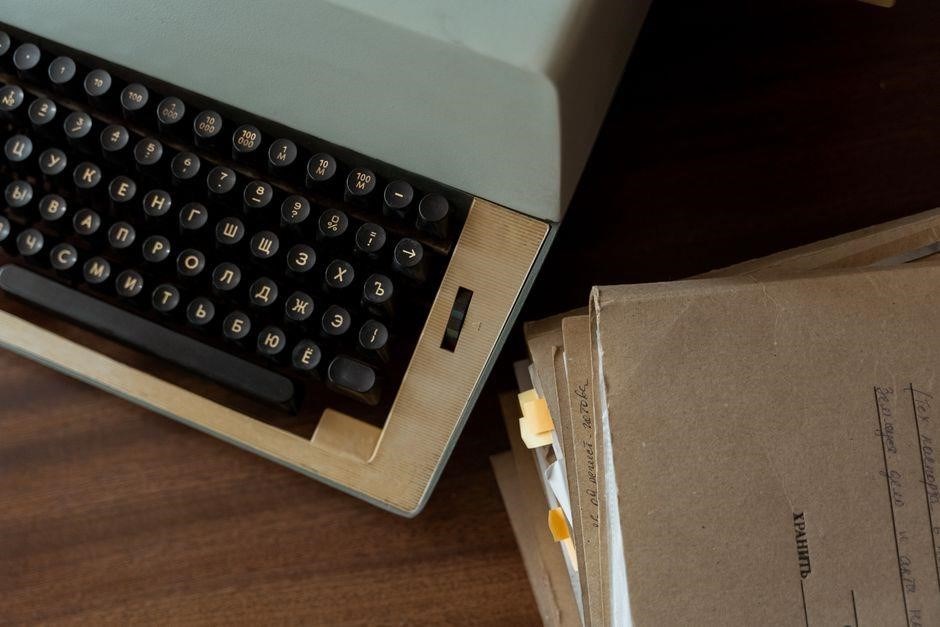
Traditional typewriter manuals followed a consistent, step‑by‑step layout that mirrored the machine’s mechanical hierarchy. The first section was a concise introduction that identified the model, highlighted key features, and explained the purpose of the guide. Next came a Safety and Precautions chapter, warning users about electrical hazards, proper handling of the ribbon, and the importance of keeping the machine on a stable surface. The core of the manual was divided into three main parts: Assembly and Installation, Operation, and Maintenance and Troubleshooting. Assembly covered the correct placement of the carriage, the alignment of the platen, and the insertion of the ribbon cartridge, often illustrated with numbered diagrams. Operation described key‑press mechanics, carriage return, and the use of special characters, again with visual aids to reinforce learning. Maintenance instructions detailed routine cleaning, lubrication of moving parts, and the replacement of worn components such as the typebars and the ribbon. The troubleshooting section provided a diagnostic flowchart, listing common symptoms—stuck keys, uneven ink distribution, or mis‑aligned carriage—and suggested corrective actions. Finally, the manual concluded with a Warranty and Service clause, contact information for the manufacturer, and a brief glossary of technical terms. This logical progression from safety to assembly to operation and maintenance ensured that even novice typists could master the machine, while also giving experienced users a reference for repairs and upgrades. The layout was intentionally linear, with each page numbered and a small index at the back, allowing quick cross‑referencing of specific functions or error codes. This structure made the manual a practical companion for both everyday use and long‑term preservation of the typewriter’s mechanical integrity.
Common Typing Models Covered
Typewriter manuals traditionally catalog a wide array of models, each with distinct mechanical traits and user interfaces. The most frequently referenced machines include the Olympia 80, known for its robust construction and quiet operation; the Imperial 200, prized for its dual‑carriage system; the Royal 2000, celebrated for its ergonomic key layout; the Hermes 200, favored for its lightweight design; the Silver‑Reed 2000, noted for its smooth ribbon feed; the Adler 2000, appreciated for its precision typing; the Splendid 2000, admired for its advanced carriage return mechanism; and the Corona 2000, recognized for its durable build. Each model’s manual typically provides detailed assembly instructions, key‑press diagrams, ribbon‑replacement procedures, and troubleshooting tips tailored to the specific mechanical nuances of that machine. Collectors and technicians rely on these manuals to diagnose common issues such as mis‑aligned typebars, uneven ink distribution, or carriage return failures, ensuring that each vintage typewriter can be restored to its original performance level. In addition to the core models, many manuals also cover lesser‑known variants such as the Olympia 70, Imperial 100, and Hermes 100, offering a comprehensive resource for enthusiasts seeking to preserve or repair a diverse collection of mechanical typewriters. Furthermore, the manuals frequently incorporate illustrative diagrams, step‑by‑step photos, and a glossary of terms, enabling users to navigate complex mechanical assemblies with confidence. Collectors compare these manuals to factory binders, noting layout differences and optional accessories.
Key Features Highlighted in Manuals
Typewriter manuals emphasize several core features that enable users to operate, maintain, and troubleshoot their machines effectively. First, safety warnings are prominently displayed, covering proper handling of the carriage, ribbon, and power supply. Second, the key‑layout diagram illustrates the mechanical linkage between each key and the typebar, helping typists understand the tactile feel and correct key placement. Third, ribbon‑replacement instructions detail the steps for installing both standard and high‑quality ribbons, including tension adjustment and ink distribution tips. Fourth, the carriage‑return mechanism is explained through a series of labeled illustrations, showing the interaction of the return lever, springs, and the carriage’s movement. Fifth, maintenance schedules are listed, outlining routine tasks such as cleaning typebars, lubricating moving parts, and checking alignment. Sixth, troubleshooting tables provide diagnostic charts that correlate common symptoms—like uneven ink, sticky keys, or mis‑aligned typebars—with probable causes and corrective actions. Seventh, optional accessories are cataloged, including paper guides, ribbon spools, and carriage return springs, with installation procedures. Eighth, a glossary of terms defines industry jargon such as “typebar,” “carriage,” “ribbon feed,” and “ink pad.” Finally, many manuals incorporate user‑friendly diagrams and step‑by‑step photos, ensuring that even novice typists can follow complex mechanical instructions with confidence.
Additional highlighted elements include warranty details, specifying coverage periods and claim procedures; customization options, such as adjustable key tension and alternative typefaces; historical context, providing background on the model’s development and market impact; repair kit listings, indicating which parts are available for purchase; and software compatibility notes for modern digitization tools that can interface with mechanical typewriters for archival purposes. Collectors also find value in the manuals’ inclusion of serial number tracking and provenance documentation, which aid in authentication and valuation. Overall, these manuals serve as comprehensive guides that bridge the gap between mechanical craftsmanship and user accessibility.
Digital Revival and Online Resources
Digital revival breathes new life into vintage typewriter manuals, offering free PDF collections, manufacturer archives, and community‑contributed guides. Online libraries host scanned originals, while forums provide restoration tips and downloadable templates, ensuring accessibility for enthusiasts worldwide!!
PDF Collections and Libraries
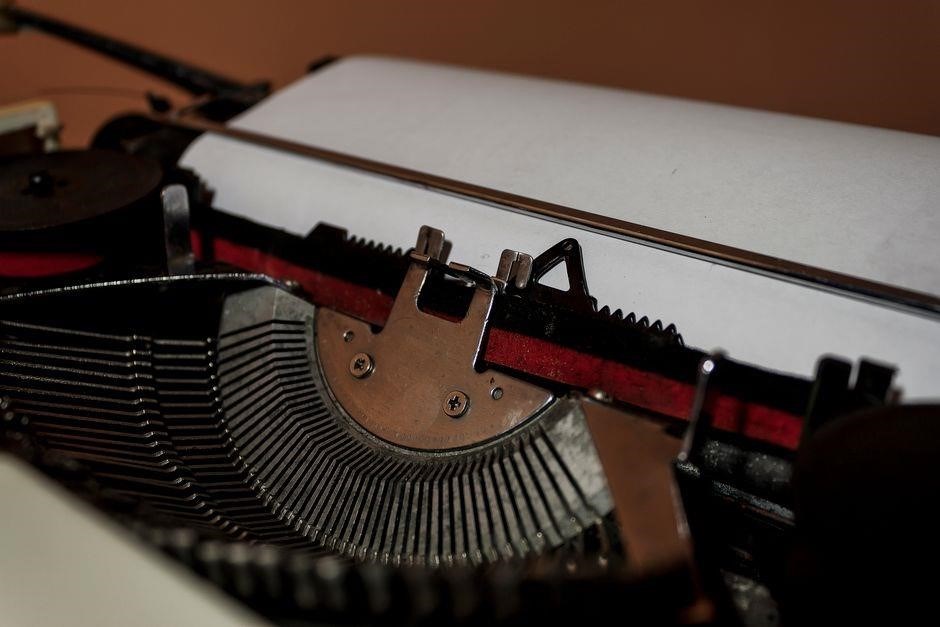
Digital archives now host a vast array of typewriter manuals in PDF format, offering enthusiasts free access to instruction books for models such as Olympia, Imperial, Royal, Hermes, Silver Reed, Adler, Splendid, and Corona. A notable source is the Smithsonian Libraries collection, which includes a 511.8 MB PDF of a 135‑page London‑based manual from I. Pitman & Sons, complete with diagrams and safety notes. Other repositories feature curated lists of manuals, often accompanied by single‑page processed JP2 ZIP files and torrent options, ensuring users can download entire libraries or specific documents. Community‑contributed sites host downloadable PDFs and scanned originals, while manufacturer archives provide reprints and historical context. These digital resources preserve the tactile knowledge of typewriting, allowing modern users to study the mechanics, maintenance procedures, and typographic nuances of classic machines without needing physical copies.
Additional resources include curated PDF libraries, manufacturer archives, and community forums. Enthusiasts can download scanned originals, view high‑resolution images, and access restoration guides. These digital collections preserve the tactile heritage of typewriters, ensuring future generations can study the mechanics, maintenance, and typographic nuances of classic machines. By sharing knowledge, the typewriter community keeps the craft alive, bridging past and present.
The community thrives on expertise, ensuring longevity.!!
Manufacturer Archives and Reprints
Many typewriter manufacturers maintain dedicated archives that house original user manuals, technical drawings, and production notes. These repositories often digitize documents, making them available as high‑resolution PDFs or JPEGs for researchers and collectors. For example, the Royal typewriter archive hosts a comprehensive collection of manuals for the Royal 500 and 700 series, complete with annotated diagrams and troubleshooting sections. The Imperial archive offers reprints of the Imperial 2000 manual, including updated safety warnings and maintenance schedules. Hermes and Olympia also provide downloadable PDFs of their flagship models, featuring step‑by‑step assembly instructions and typographic guidelines. When manufacturers release reprints, they typically include a copyright notice and a brief history of the machine, preserving the original context while ensuring legal compliance. These archives serve as a vital resource for restoration projects, allowing hobbyists to source accurate parts and reference original specifications. Additionally, some manufacturers collaborate with libraries and museums to preserve their legacy, offering public access to digitized manuals through online portals. By preserving these documents, manufacturers help maintain the cultural heritage of typewriting and provide a reliable reference for future generations of typists and historians alike. These archives also provide index tables, letting users locate specific typographic settings or mechanical adjustments quickly, which is invaluable for restoration work!
Community-Contributed Guides
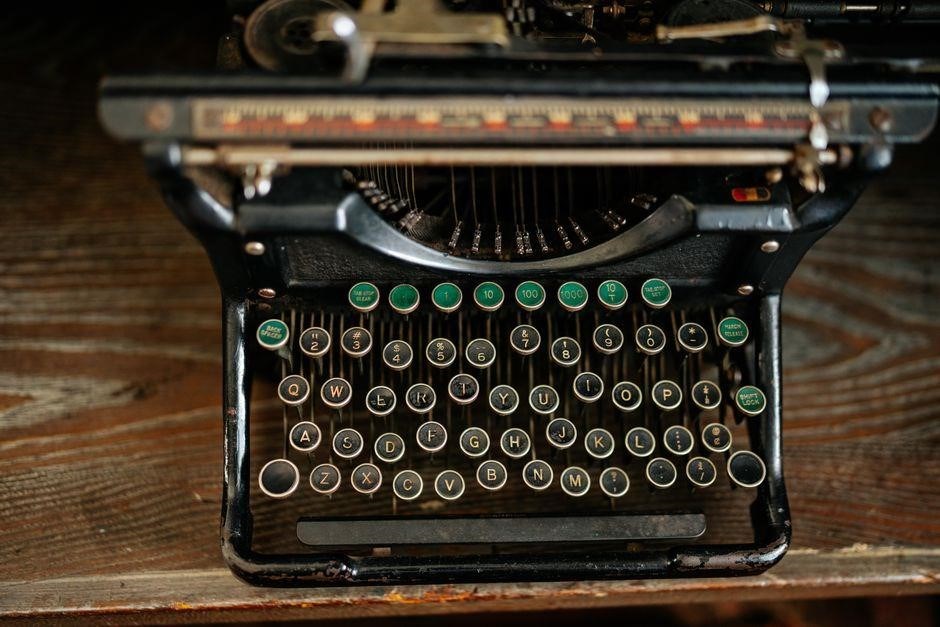
Amid the resurgence of mechanical typewriters, a vibrant community of enthusiasts has emerged, producing user‑generated guides that complement official manuals. These resources are often hosted on forums, wikis, and social‑media groups where members share scanned PDFs, annotated PDFs, and step‑by‑step video tutorials. A popular hub is the Vintage Typewriter Forum, where users upload high‑resolution scans of rare manuals for models such as the Olympia 500, Royal 700, and Hermes 300. The forum’s Manual Archive section offers searchable indexes, allowing members to locate specific sections—like ribbon replacement or carriage return troubleshooting—within minutes. Many contributors also produce “quick‑start” guides that distill complex instructions into concise, illustrated cheat sheets, ideal for novice typists or those restoring a machine. These cheat sheets often include safety warnings, recommended cleaning agents, and maintenance schedules that mirror the original manufacturer’s recommendations but are tailored to modern availability of parts. The wiki’s “Manuals” category aggregates PDFs from various sources, including scanned copies of the original Royal 500 manual and reprinted editions from the Imperial archive. Importantly, many of these community‑contributed guides are freely available under Creative Commons licenses, ensuring that the knowledge remains accessible while respecting intellectual property rights. By leveraging these collective efforts, hobbyists can access a breadth of information that extends beyond the scope of official documentation, fostering a collaborative environment that keeps the mechanical typewriter alive for future generations. Collectors also compile annotated glossaries that explain typographic terminology, and some maintain digital archives of firmware updates for early electronic typewriters, ensuring that even the most obscure models can be operated with modern precision. These resources are shared under open‑source licenses, encouraging collaborative edits and continuous improvement. These guides also include troubleshooting charts for common mechanical issues to aid repair. update
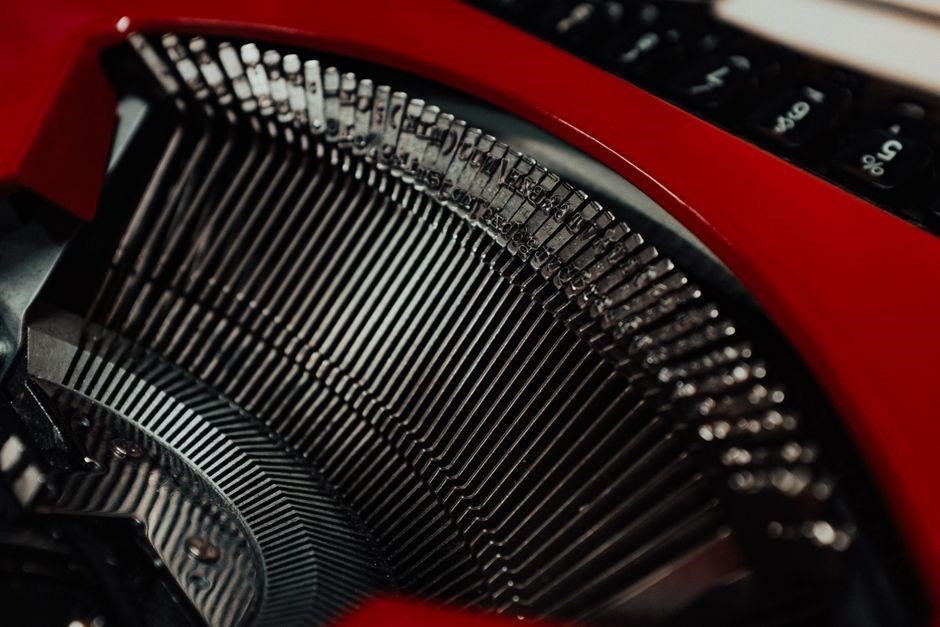
Collecting and Preserving Typewriter Manuals
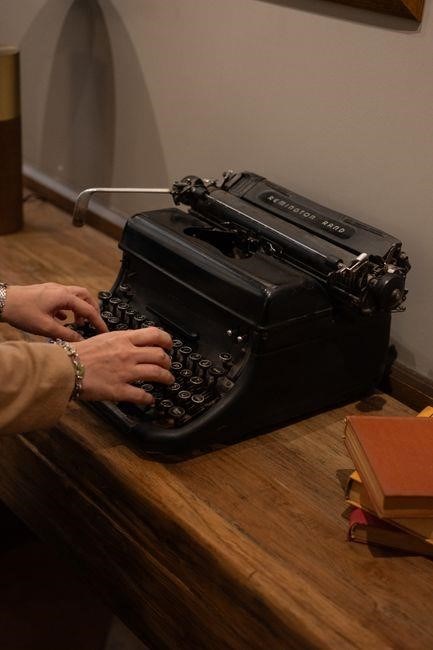
Collectors value pristine originals, noting paper quality, ink stains, and binding integrity. Digitization preserves fragile pages; high‑res scans, OCR, and metadata enable searchable archives. Storage—cool, dry daily light‑controlled—extends longevity!
Condition Assessment for Vintage Manuals
Assessing a vintage typewriter manual starts with a visual check of cover, spine, and binding. Look for cracks, loose pages, or missing sections. Paper weight and texture reveal age; brittle fibers or yellowing signal long light exposure. Ink stains on margins may indicate improper storage. Water damage shows damp spots, mold, or a musty odor. For fragile pages, use a clean, flat surface and minimal pressure; a paperweight helps keep pages open during examination. A well-preserved manual will have a tight, even binding with no loose fibers. Document the condition with high-resolution photos, noting defects, and record the assessment date.
Collectors use a grading scale: Excellent, Good, Fair, Poor. Excellent manuals show no visible wear, intact cover, and crisp text. Good manuals may have minor scuffs or light yellowing but remain readable. Fair condition indicates moderate wear, possible missing pages, or faded ink. Poor condition shows significant damage, missing content, or extensive mold. When grading, consider both physical state and completeness. A missing title page or key diagrams can reduce value even if remaining pages are intact. Proper labeling of digital files with metadata—author, model, publication date, and condition notes—facilitates future research and cataloging.
When handling a manual, wear gloves to prevent oils from damaging the paper. Store manuals in a cool, dry place away from sunlight. For preservation, consider sleeves or archival boxes. If a manual is in the public domain, digital copies can be freely shared; otherwise, secure permission from the rights holder before distributing scans. Proper documentation ensures the manual’s historical integrity and valuable for collectors.
Digitization Techniques for Preservation
High‑resolution scanning is the cornerstone of preserving typewriter manuals. Use a flatbed scanner set to 300–600 dpi; higher resolution captures fine ink lines and paper texture. Protect fragile pages by placing a clean, non‑adhesive sheet between the manual and the glass. Avoid turning pages directly; instead, use a book cradle or a dedicated book scanner to reduce stress on bindings.
After scanning, perform color correction and contrast enhancement in software such as Adobe Photoshop or GIMP. This step compensates for yellowing paper and uneven lighting, ensuring that the digital copy remains faithful to the original. Save each page as a lossless TIFF for archival purposes, then create a compressed PDF for distribution. Metadata—author, model, publication date, and condition notes—should be embedded in the PDF’s XMP fields to aid future cataloging.
For large collections, batch processing scripts (e.g., ImageMagick) can automate resizing, cropping, and watermarking. Optical Character Recognition (OCR) converts scanned images into searchable text; fine‑tune OCR settings for serif fonts typical of early 20th‑century manuals. Store original scans and processed files in separate folders, and maintain a backup on an external drive or cloud service. Regularly verify file integrity with checksums to prevent data loss.
Legal Considerations for Distribution
Distributing digitized typewriter manuals raises copyright concerns, especially for models released before 1924, which are generally in the public domain. However, many manuals published after that date remain under copyright, often held by the original publisher or their successors. Before sharing, verify the publication year and consult the U.S. Copyright Office database or the publisher’s website for status; If the manual is still protected, obtain written permission from the rights holder or rely on a license that permits public sharing, such as Creative Commons online agreement. Even when a manual is in the public domain, the publisher may have added a modern editorial layer—new introductions, annotations, or photographs—that is separately copyrighted. Distinguish between the original text and any added content; only the public‑domain portion may be freely distributed. When digitizing, preserve the original page layout and typography to maintain the historical integrity of the manual. Some institutions adopt the “fair use” doctrine for educational purposes, but this is a narrow defense that requires a careful analysis of purpose, nature, amount, and market effect. For broader distribution, consider using the Internet Archive or Project Gutenberg as platforms that have established legal frameworks for hosting public‑domain texts. Always include a clear attribution line stating the source, model, and publication year, and provide a link to the original publisher or the copyright holder’s contact. Finally, maintain a record of all permissions and correspondence; this documentation can protect you in case of future disputes and ensures compliance with both U.S. law and international treaties such as the Berne Convention.