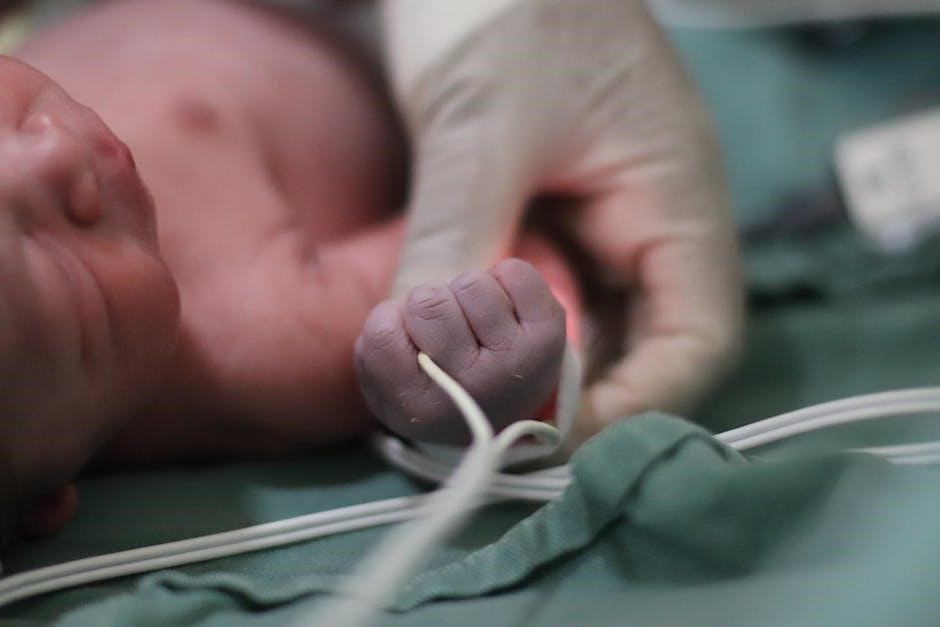
ICU Basics for Nurses: A Comprehensive Guide
This comprehensive guide provides up-to-date resources for nurses in critical care, replacing older guidelines and offering practical tools for all levels of practice․
The Intensive Care Unit (ICU) represents a unique and complex healthcare setting demanding specialized knowledge from its nursing staff․ This environment differs significantly from general ward care, characterized by critically ill patients requiring constant, vigilant monitoring and advanced interventions․ Nurses must adapt to a fast-paced, high-pressure atmosphere, utilizing expert knowledge and collaborative teamwork․
Resources like the AACN provide essential support, driving excellence in critical care․ Understanding the ICU’s core principles – encompassing advanced technology, complex pharmacology, and a focus on patient-ventilator synchrony – is paramount․ This guide serves as a foundational tool for navigating this challenging, yet rewarding, specialty․
ICU Nurse Roles and Responsibilities
ICU nurses shoulder immense responsibility, functioning as vital members of an interprofessional team․ Their duties extend beyond traditional nursing care, encompassing advanced monitoring of hemodynamic parameters, ventilator management, and precise medication administration – including vasopressors and antibiotics, guided by stewardship programs․
They are crucial in assessing patients, preventing complications like CAUTI, and providing compassionate support to families navigating stressful situations․ Reliance on resources like the AACN ensures expert knowledge, while adherence to clinical practice guidelines optimizes patient outcomes․ Continuous professional development is essential for maintaining competency․
Patient Admission and Assessment in the ICU
Upon ICU admission, a swift and thorough assessment is paramount․ Nurses prioritize evaluating the patient’s overall condition, focusing on immediate life threats and establishing a baseline for ongoing monitoring․ This includes a detailed review of medical history, current medications, and presenting complaints․

The assessment guides subsequent interventions, such as initiating hemodynamic monitoring or adjusting ventilator settings․ Accurate documentation is critical, as it informs the entire care team and facilitates effective communication․ This initial evaluation sets the stage for optimal patient care within the ICU environment․
Initial Assessment Priorities
The foremost priorities during an initial ICU assessment involve the airway, breathing, and circulation (ABC’s)․ Nurses must rapidly assess airway patency, respiratory effort, and oxygenation status․ Simultaneously, evaluating hemodynamic stability – including heart rate, blood pressure, and perfusion – is crucial․
Neurological status, including level of consciousness and pupillary response, also demands immediate attention․ Identifying any signs of acute distress or instability allows for prompt intervention, ensuring patient safety and optimizing outcomes․ This focused approach guides critical decision-making in the initial phase of ICU care․

Hemodynamic Monitoring in the ICU
Effective hemodynamic monitoring is paramount in the ICU, guiding fluid resuscitation and vasoactive medication titration․ Nurses utilize various techniques, including arterial line monitoring for continuous blood pressure readings and Central Venous Pressure (CVP) monitoring to assess fluid status․
Accurate interpretation of these parameters, alongside clinical assessment, informs interventions to optimize cardiac output and tissue perfusion․ Understanding the interplay between preload, afterload, and contractility is essential for maintaining hemodynamic stability in critically ill patients, ultimately improving patient outcomes․
Arterial Line Management
Arterial lines provide continuous, real-time blood pressure monitoring crucial for critically ill patients․ Nurses must meticulously manage these lines, ensuring proper insertion site care to prevent infection․ Frequent assessment for signs of complications – like hematoma formation or ischemia – is vital․
Accurate transducer zeroing and calibration are essential for precise readings․ Nurses must also understand waveform analysis to identify potential hemodynamic changes․ Proper documentation and troubleshooting skills are key components of safe and effective arterial line management in the ICU setting․
Central Venous Pressure (CVP) Monitoring
Central venous pressure (CVP) monitoring assists in assessing fluid status and right ventricular function in critically ill patients․ Nurses are responsible for accurate CVP waveform interpretation and transducer management․ Consistent positioning of the patient is crucial for reliable readings, avoiding influences like abdominal pressure․
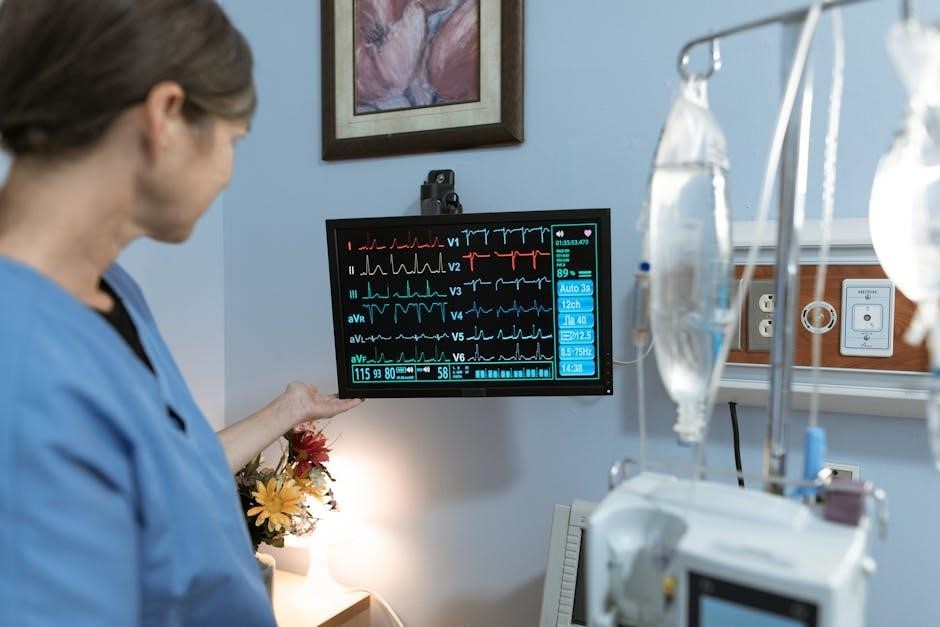
Understanding the correlation between CVP and fluid responsiveness requires clinical judgment․ Nurses must collaborate with the healthcare team to adjust fluid therapy based on CVP trends and overall patient assessment, ensuring optimal hemodynamic support․
Mechanical Ventilation: Fundamentals for Nurses
Mechanical ventilation is a cornerstone of ICU care, requiring nurses to understand ventilator principles and patient-ventilator interaction․ Key responsibilities include ventilator setup, monitoring, and troubleshooting․ Nurses must recognize signs of respiratory distress and adjust settings collaboratively with physicians․
Effective management involves minimizing ventilator-induced lung injury and optimizing oxygenation․ Understanding ventilator modes, pressure support, and PEEP titration is essential for providing safe and effective respiratory support to critically ill patients․

Ventilator Settings and Adjustments
Ventilator settings, including tidal volume, respiratory rate, and FiO2, directly impact patient oxygenation and ventilation․ Nurses must understand how these parameters influence arterial blood gases and adjust them based on patient response․
PEEP titration is crucial for maintaining alveolar recruitment and improving oxygenation, while pressure support assists spontaneous breathing efforts․ Careful monitoring and documentation of adjustments are vital․ Recognizing and addressing patient-ventilator dyssynchrony is also a key nursing intervention․
Managing Patient-Ventilator Dyssynchrony
Patient-ventilator dyssynchrony, a common challenge in the ICU, occurs when the patient’s respiratory efforts conflict with the ventilator’s delivery․ This can manifest as increased work of breathing, agitation, and even hypoxemia․
Nurses play a vital role in identifying and addressing the underlying causes, such as pain, anxiety, or inadequate sedation․ Adjusting ventilator settings, optimizing sedation protocols, and ensuring proper endotracheal tube placement are crucial interventions to restore synchrony and improve patient outcomes․
Sedation and Analgesia in the ICU
Effective sedation and analgesia are paramount in the ICU, aiming to decrease patient anxiety, agitation, and pain while facilitating necessary interventions․ Goals include providing amnesia, reducing patient-ventilator dyssynchrony, and minimizing respiratory muscle oxygen consumption․
Nurses utilize established protocols, carefully titrating medications to achieve optimal levels of comfort and cooperation․ Continuous assessment and vigilant monitoring for adverse effects are essential components of safe and effective sedation management, ensuring patient well-being․
Goals of Sedation
The primary goals of sedation within the ICU environment are multifaceted, extending beyond simple patient comfort․ These include a significant reduction in anxiety and agitation, alongside the provision of amnesia to minimize distressing memories․ Crucially, sedation aims to decrease patient-ventilator dyssynchrony, improving respiratory mechanics․
Furthermore, it seeks to lower respiratory muscle oxygen consumption and, importantly, to relieve pain to some degree, ultimately facilitating essential nursing care and optimizing patient outcomes throughout their critical illness․
Common Sedation Protocols
Acute and critical care nurses frequently rely on established sedation protocols to ensure consistent and effective patient management․ These protocols often involve a tiered approach, initiating with minimal sedation to assess patient tolerance and responsiveness;
Regular assessments are paramount, utilizing validated scales to guide adjustments in medication dosages․ Protocols emphasize daily interruption of sedation to evaluate neurological function and reduce prolonged exposure to sedative agents, ultimately aiming to optimize patient outcomes and minimize potential complications․
Infection Control Practices in the ICU
Maintaining stringent infection control is paramount within the ICU environment, given the heightened vulnerability of patients․ Core practices center around meticulous hand hygiene and consistent use of appropriate Personal Protective Equipment (PPE)․

Proactive measures to prevent Catheter-Associated Urinary Tract Infections (CAUTI) are crucial, including strict adherence to insertion and maintenance protocols․ These practices collectively minimize the risk of healthcare-associated infections, safeguarding patient well-being and contributing to improved outcomes․
Hand Hygiene and PPE
Consistent hand hygiene remains the cornerstone of infection prevention in the ICU, requiring performance before and after all patient contact, and after touching surrounding environments․ Proper technique, utilizing soap and water or alcohol-based hand rubs, is essential․
Appropriate Personal Protective Equipment (PPE) – including gloves, gowns, masks, and eye protection – must be consistently utilized based on anticipated exposure risks․ Adherence to these protocols minimizes transmission of pathogens, protecting both patients and healthcare personnel․
Catheter-Associated Urinary Tract Infection (CAUTI) Prevention
Preventing CAUTIs is a critical focus within the ICU setting․ Strict adherence to aseptic technique during catheter insertion and maintenance is paramount․ Utilize the smallest French size catheter appropriate for the patient’s needs, and ensure proper securement to minimize trauma․
Regular assessment of continued necessity, coupled with prompt removal when no longer indicated, significantly reduces CAUTI risk․ Implement protocols emphasizing alternative methods when feasible, and prioritize diligent perineal care for all patients with indwelling catheters․
Pharmacological Management in the ICU
Effective pharmacological management is central to ICU care, demanding a thorough understanding of vasoactive drugs and antibiotics․ Nurses must be proficient in titrating vasopressors and inotropes based on hemodynamic parameters, recognizing subtle changes in patient status․
Antibiotic stewardship programs are vital; nurses play a key role in ensuring appropriate antibiotic use, minimizing resistance, and optimizing patient outcomes․ Continuous monitoring for adverse drug effects and interactions is also essential for safe and effective care․
Vasopressors and Inotropes
Vasopressors and inotropes are frequently utilized in the ICU to support hemodynamic stability in critically ill patients․ Nurses must understand the specific mechanisms of action for each agent – norepinephrine, dopamine, dobutamine, and others – and their potential effects on blood pressure, heart rate, and tissue perfusion․
Careful titration based on continuous monitoring of parameters is crucial, alongside vigilant assessment for adverse effects like arrhythmias or ischemia․ Accurate documentation and prompt reporting of changes are paramount․
Antibiotic Stewardship
Antibiotic stewardship is a critical component of ICU care, aiming to optimize antibiotic use to minimize resistance and adverse events․ Nurses play a vital role by advocating for appropriate antibiotic selection, dosage, and duration, guided by evidence-based guidelines and microbiology results․
This includes meticulous documentation of antibiotic administration, monitoring for therapeutic response and side effects, and collaborating with the pharmacy and infectious disease teams․ Proactive participation supports improved patient outcomes and responsible resource utilization․
Interventional Patient Hygiene Model
The Interventional Patient Hygiene model establishes a crucial link between evidence-based nursing care and measurable patient outcomes․ This framework emphasizes the significant impact of fundamental nursing care practices, like skin integrity and oral care, on reducing complications․
By consistently applying this model, ICU nurses can proactively minimize hospital-acquired infections, pressure injuries, and ventilator-associated pneumonia․ It’s a systematic approach that elevates basic care to an interventional strategy, improving overall patient safety and quality of care․
Family Support and Communication in the ICU
Nurses play a vital role in mitigating the considerable stress experienced by families of critically ill patients․ Effective communication, characterized by empathy and honesty, is paramount in building trust and fostering a collaborative environment․
Providing regular updates, answering questions thoroughly, and offering emotional support can significantly reduce family anxiety․ Recognizing and addressing their individual needs, alongside facilitating visitation when possible, demonstrates compassionate care and strengthens the nurse-family partnership during a challenging time․
Reducing Family Stress
Critically ill patients’ families face immense emotional strain․ Nurses can actively reduce this stress through proactive communication, offering clear and consistent updates on the patient’s condition, and explaining complex medical information in understandable terms․
Creating a welcoming and supportive environment, acknowledging their grief and anxieties, and providing resources for emotional support are crucial; Facilitating opportunities for meaningful interaction with the patient, when appropriate, and respecting their cultural and spiritual beliefs further contribute to alleviating family distress;
ICU Environmental Sustainability
Nurses are instrumental in fostering environmentally friendly practices within the ICU․ A first-of-its-kind guide assists in making intensive care units more sustainable, recognizing the healthcare sector’s environmental impact․
Implementing strategies like reducing waste, conserving energy, and responsibly managing resources are key․ This includes optimizing equipment usage, promoting recycling programs, and advocating for eco-friendly product choices․ Prioritizing sustainability not only benefits the planet but also contributes to a healthier and safer environment for patients and staff․
Utilizing Clinical Practice Guidelines

Evidence-based practice is paramount in the ICU, and clinical practice guidelines are essential tools for nurses․ The Society of Critical Care Medicine develops these guidelines, offering recommendations to optimize patient care based on the latest research․
Nurses should routinely consult and implement these guidelines in their practice, ensuring consistent and high-quality care․ Utilizing these resources helps standardize procedures, minimize variations, and ultimately improve patient outcomes․ Staying current with guideline updates is crucial for providing the best possible critical care․

AACN Resources for Critical Care Nurses
The American Association of Critical-Care Nurses (AACN) is a vital resource for professionals in the field․ Acute and critical care nurses rely on AACN for expert knowledge and the influence to fulfill their promise to patients and families․
AACN drives excellence, believing nothing less is acceptable, and offers unlimited access to over 6,000 clinical articles and learning units․ They provide support for professional development and are instrumental in advancing the practice of critical care nursing through education and advocacy․
Continuing Education and Professional Development
This ICU manual is one component of a broader educational curriculum, designed to facilitate learning at multiple levels for nurses․ Several other educational opportunities are available to enhance skills and knowledge in critical care․
AACN supports ongoing professional development, offering access to extensive clinical articles and learning units․ Staying current with best practices, like those found in the Society of Critical Care Medicine’s clinical practice guidelines, is crucial․ Continuous learning ensures optimal patient care and professional growth․
Accessing ICU Nursing Resources (PDFs & Articles)
A print-friendly PDF version of this article, including all referenced materials, is readily available for download and offline access․ This resource provides a convenient way to study and implement the discussed concepts․
Furthermore, AACN offers unlimited access to a vast library of over 6,000 clinical articles and learning units․ These resources support ongoing education and evidence-based practice in the ICU setting, ensuring nurses have the latest information at their fingertips․
Future Trends in ICU Nursing
The field of critical care is constantly evolving, demanding continuous professional development for nurses․ While foundational knowledge – like that covered in ICU basics guides – remains crucial, future trends necessitate adaptation․
Expect increased emphasis on environmental sustainability within ICUs, driven by initiatives to create more eco-friendly units․ Additionally, qualitative research exploring the unique experiences of ICU nurses is emerging, aiming to improve support and well-being․ Access to digital resources, like downloadable PDFs and online articles, will become even more vital․