O Holy Night Sheet Music PDF: A Comprehensive Guide
Discover readily available “O Holy Night” sheet music in PDF format, perfect for piano, guitar, flute, and various instruments. Explore a vast online community
offering over a million digital music options for playing and learning.
Historical Background of “O Holy Night”
“O Holy Night” boasts a rich history, originating not as a traditional hymn, but as a French poem titled “Cantique de Noël” penned in 1843 by Placide Cappeau. Cappeau, a wine merchant and amateur poet, was commissioned by a local church to write a Christmas hymn. Interestingly, Cappeau’s lyrics were initially met with some resistance from church officials due to his secular lifestyle and profession.
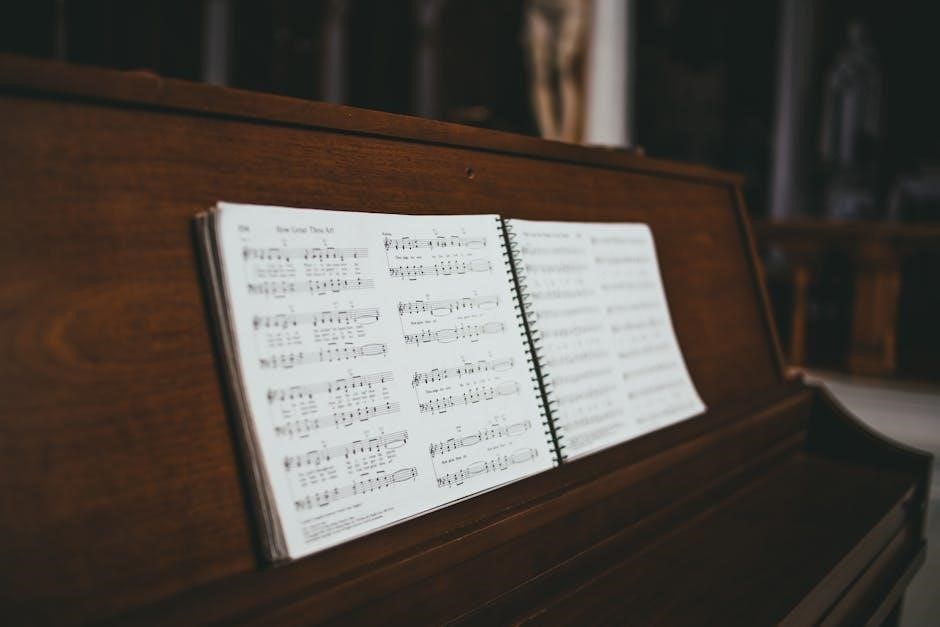
The poem’s powerful imagery and theological depth quickly resonated with audiences. Shortly after, in 1847, Adolphe Adam, a renowned French composer, set Cappeau’s words to music, creating the melody we recognize today. The carol’s initial reception was positive, but its popularity truly soared after being translated into English by John Sullivan Dwight in 1855.
Throughout its journey, “O Holy Night” has become a beloved Christmas staple, celebrated for its soaring melody and profound message of hope and redemption, marking the birth of the Messiah.
The Origins of the Carol
“O Holy Night” began as a response to a specific need within the French church of Roquemaure in 1843. The local parish priest requested a Christmas hymn from Placide Cappeau, a poet known for his literary talents, despite his unconventional profession as a wine merchant. Cappeau embraced the challenge, crafting lyrics that vividly depicted the nativity story and the profound significance of Christ’s birth.
Initially, the carol wasn’t intended for widespread use, but rather as a contribution to the local church’s Christmas celebrations. However, its poetic beauty and emotional resonance quickly caught the attention of others. The subsequent musical setting by Adolphe Adam transformed Cappeau’s poem into the enduring carol we cherish today.
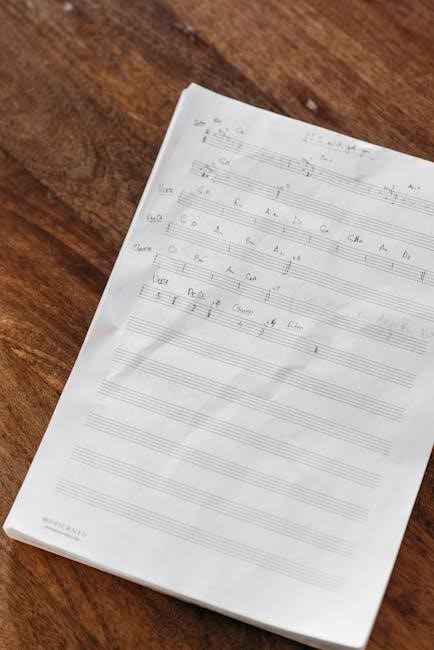
The carol’s journey from a local church commission to a globally recognized hymn highlights the power of collaborative artistry and the enduring appeal of a timeless message of hope and faith.
Placide Cappeau and the Original French Lyrics
Placide Cappeau, born in Roquemaure, France, in 1808, was a poet and wine merchant whose life took an unexpected turn when he was commissioned to write a Christmas hymn. Despite not being a formally trained musician or theologian, Cappeau possessed a remarkable gift for lyrical expression. His original French lyrics, titled “Cantique de Noël,” were deeply moving and evocative, painting a vivid picture of the nativity scene.
Cappeau’s verses focused on the themes of redemption and the arrival of the Messiah, resonating with the spiritual significance of Christmas. He skillfully blended poetic imagery with religious devotion, creating a text that was both beautiful and profound. The lyrics were initially met with some controversy due to Cappeau’s secular lifestyle, but their artistic merit ultimately prevailed.
The original French text remains a testament to Cappeau’s poetic talent and his ability to capture the essence of the Christmas story in a truly unforgettable way.
Adolphe Adam’s Composition
Adolphe Adam, a French composer known for his operettas and ballets, brought Placide Cappeau’s lyrics to life with his breathtaking musical composition in 1847. Initially titled “Cantique de Noël,” Adam’s melody perfectly complemented the poem’s emotional depth and spiritual message. He crafted a soaring and dramatic score, characterized by its wide vocal range and challenging melodic lines.
Adam’s composition quickly gained popularity in France, becoming a beloved Christmas carol. However, its journey to widespread recognition wasn’t immediate. The carol faced initial resistance from some church authorities due to Cappeau’s non-religious background. Despite this, the sheer beauty and power of the music ultimately won over audiences.
The enduring legacy of “O Holy Night” is a testament to Adam’s genius and his ability to create a timeless masterpiece that continues to inspire and uplift listeners worldwide, readily available as sheet music.
Finding “O Holy Night” Sheet Music Online
Locate numerous “O Holy Night” sheet music PDFs through online resources like Musescore.com, offering free and paid options for various instruments and skill levels.
Musescore.com as a Primary Resource
Musescore.com stands out as a leading platform for accessing “O Holy Night” sheet music in PDF format. It boasts an extensive library, offering a diverse range of arrangements for piano, guitar, flute, and countless other instruments. The site’s strength lies in its vibrant community of musicians – creators, composers, performers, teachers, students, and enthusiasts – all contributing to a collection exceeding one million digital music pieces.
Users can easily download, print, and share sheet music for free, making it an incredibly accessible resource. The platform allows for searching based on instrument, skill level, and arrangement type, ensuring you find the perfect version of “O Holy Night” to suit your needs. Beyond simply providing the music, Musescore fosters a collaborative environment where musicians can connect and learn from one another. It’s a fantastic starting point for anyone seeking readily available and community-supported sheet music.
Furthermore, Musescore’s interface is user-friendly, and the search functionality is robust, allowing for quick and efficient navigation through its vast catalog.
Other Websites Offering Free Sheet Music
Beyond Musescore, several other websites provide free “O Holy Night” sheet music in PDF format, expanding your options for finding the perfect arrangement. Websites like IMSLP (International Music Score Library Project) often host public domain scores, potentially including older arrangements of the carol. However, availability can vary, and the quality of scans may differ.
Various church music websites and online repositories dedicated to Christmas carols frequently offer free sheet music downloads. A targeted Google search using keywords like “free O Holy Night sheet music PDF” will reveal numerous possibilities. Be cautious when downloading from unfamiliar sites, ensuring they are reputable and free from malware.
Additionally, some music education websites provide simplified arrangements suitable for beginners. While these resources offer convenience, remember to verify the accuracy of the transcription before relying on them for performance or study. Exploring these alternatives complements Musescore, providing a wider range of choices for accessing this beloved carol’s sheet music.
Paid Sheet Music Options and Their Benefits
While numerous free “O Holy Night” sheet music PDFs are available, opting for paid options often unlocks significant benefits. Websites like Musicnotes.com and Sheet Music Plus offer professionally arranged scores, ensuring accuracy and high print quality. These arrangements frequently include detailed fingerings for piano or guitar, making them ideal for intermediate to advanced players.
Paid sheet music often provides access to multiple keys and vocal arrangements, catering to different vocal ranges and ensemble needs. Furthermore, purchasing supports composers and arrangers, encouraging the creation of new musical resources. Consider the value of professionally edited scores, free from errors or unclear notation.
Investing in paid sheet music can also grant access to accompanying tracks or backing arrangements, enhancing practice and performance. Ultimately, the enhanced quality, accuracy, and additional features offered by paid options justify the cost for serious musicians seeking a polished and reliable resource.
Sheet Music Variations and Arrangements
Explore diverse “O Holy Night” arrangements in PDF format, including piano, guitar, and vocal scores for soprano, alto, tenor, and bass. Discover options for flute and violin!
Piano Arrangements: Beginner, Intermediate, and Advanced
Finding the right piano arrangement of “O Holy Night” depends heavily on your skill level. Beginner arrangements typically simplify the harmonies and rhythms, focusing on single-note melodies and basic chord progressions. These versions often omit complex ornamentation and prioritize playability for those new to the piano.
Intermediate arrangements introduce more challenging aspects, such as broken chords, slightly more complex rhythms, and fuller harmonies. These scores often include some of the carol’s signature melodic flourishes, requiring a moderate level of dexterity and musical understanding; They bridge the gap between simplified versions and the full complexity of the original.
Advanced piano arrangements of “O Holy Night” are designed for experienced pianists. They feature intricate harmonies, elaborate ornamentation, and demanding technical passages. These arrangements often incorporate virtuosic runs, arpeggios, and complex voicing, fully capturing the grandeur and emotional depth of Adolphe Adam’s composition. Download PDF versions tailored to your expertise!
Guitar Arrangements: Chords and Tablature
Guitarists seeking to play “O Holy Night” will find a wealth of resources offering both chord charts and tablature. Chord charts provide the harmonic structure of the song, allowing players to strum along and accompany vocals. These are often ideal for beginner and intermediate guitarists comfortable with basic chord changes.
Tablature, or “tab,” offers a more detailed representation of the song, showing exactly which frets and strings to play. This is particularly useful for fingerstyle arrangements or for recreating the song’s melodic lines on the guitar. PDF versions of tablature are readily available online, catering to various skill levels.
Intermediate arrangements might incorporate more complex chord voicings, fingerpicking patterns, and subtle embellishments. Advanced guitar arrangements often feature intricate arpeggios, harmonics, and challenging techniques, fully showcasing the song’s beauty and requiring significant technical proficiency. Explore diverse options!
Vocal Arrangements: Soprano, Alto, Tenor, Bass
Vocalists preparing to perform “O Holy Night” can access sheet music specifically tailored to their vocal range. Arrangements are commonly available for Soprano, Alto, Tenor, and Bass voices, ensuring optimal comfort and performance quality. PDF sheet music often includes piano accompaniment, providing harmonic support and guidance.
Soprano arrangements typically feature the highest vocal line, showcasing the song’s soaring melodies and demanding range. Alto arrangements are pitched lower, offering a richer, warmer tone. Tenor and Bass arrangements provide harmonic foundation and depth, often including countermelodies or harmonies.
Many PDF resources offer simplified vocal scores for less experienced singers, while more complex arrangements include ornamentation, dynamics, and phrasing suggestions for advanced performers. Consider your vocal capabilities when selecting an arrangement to ensure a beautiful and impactful rendition of this classic carol.
Arrangements for Other Instruments (Flute, Violin, etc.)
Beyond traditional piano and vocal arrangements, “O Holy Night” sheet music in PDF format extends to a diverse range of instruments. Musicians proficient in Flute, Violin, Cello, and other orchestral instruments can find dedicated arrangements to enrich their repertoire.
These arrangements often adapt the melody and harmonies to suit the instrument’s unique timbre and capabilities. Flute arrangements emphasize lyrical phrasing, while Violin arrangements can showcase both melodic beauty and virtuosic passages. PDF scores frequently include piano accompaniment for ensemble performances.
Exploring these alternative arrangements allows for creative interpretations and expands the possibilities for performing “O Holy Night.” Websites like Musescore.com host a vast collection of user-submitted transcriptions, offering a wealth of options for instrumentalists of all levels. Discover unique and inspiring ways to share this beloved carol.
Understanding Sheet Music Notation
Decoding “O Holy Night” PDF sheet music requires knowledge of key and time signatures, note values, and dynamic markings for accurate and expressive performance.
Key Signatures and Time Signatures
Understanding key signatures is crucial when interpreting “O Holy Night” sheet music. The key dictates the sharps or flats present throughout the piece, influencing the notes played. Commonly, arrangements appear in keys like D-flat major or C-sharp minor, though variations exist.
The time signature, typically 4/4, defines the rhythmic structure. This means four beats per measure, with a quarter note receiving one beat. Recognizing this pattern aids in maintaining a consistent tempo and accurately executing the rhythm.
For beginners, identifying the key signature at the beginning of each staff is essential. It establishes the tonal center and guides note reading. Similarly, the time signature provides a framework for understanding the duration of notes and rests.
Mastering these foundational elements unlocks the ability to accurately play “O Holy Night” from its sheet music, enhancing musicality and expression.
Reading Musical Notes and Rhythms
Decoding musical notes within “O Holy Night” sheet music requires familiarity with the staff, clef, and note values. The treble clef is standard for vocal and higher-instrument parts, while bass clef suits lower ranges. Notes are positioned on the staff to indicate pitch – higher on the staff means a higher sound.
Rhythmic accuracy is paramount. Whole, half, quarter, and eighth notes dictate duration. Pay close attention to rests, representing silence. Understanding dotted notes (increasing duration by half) and ties (combining note values) is also vital.
Practice clapping or tapping rhythms separately to internalize the timing before playing. Correlating note positions with their corresponding sounds builds fluency. Online resources and tutorials can aid in note identification.
Successfully reading notes and rhythms allows for a faithful and expressive rendition of this beloved carol, bringing the beauty of “O Holy Night” to life.
Dynamic Markings and Articulation
Interpreting “O Holy Night” sheet music goes beyond simply playing the correct notes; dynamic markings and articulation breathe life into the piece. Piano (soft), mezzo forte (medium loud), and forte (loud) indicate volume levels, shaping the emotional arc.
Articulation symbols – staccato (short, detached notes), legato (smooth, connected notes), and accents – define how each note is played. These nuances contribute significantly to the carol’s expressive quality.
Crescendos (gradually getting louder) and diminuendos (gradually getting softer) add dramatic effect, mirroring the lyrics’ powerful message. Pay attention to slurs and phrases, guiding the musical line.
Mastering these elements allows for a nuanced performance, conveying the awe and reverence inherent in “O Holy Night.” Careful observation of these markings elevates the music beyond technical accuracy.